/filters:format(jpeg,png)/fit-in/300x300/guide_websites/32555/images/chatgptimagejun4202507_30_25pm.png)
/filters:format(jpeg,png)/fit-in/237x80/guide_websites/32555/images/chatgptimagejun4202507_30_25pm.png)
Wahoo Fishing Cayman Islands
%2Ffit-in%2F1000x1000%2Ffilters%3Aformat(webp)%2Fguide_websites%2F32555%2Fimages%2F1749098406509image-2025-06-04t171452.502.png&w=1920&q=75)
Published: July 28, 2026
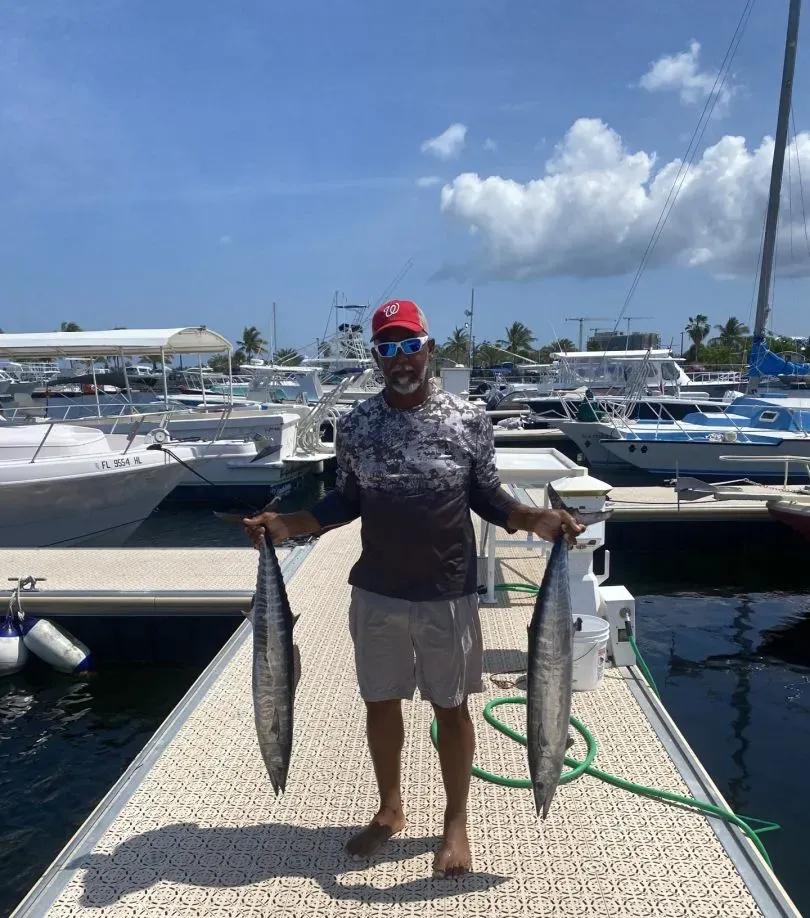
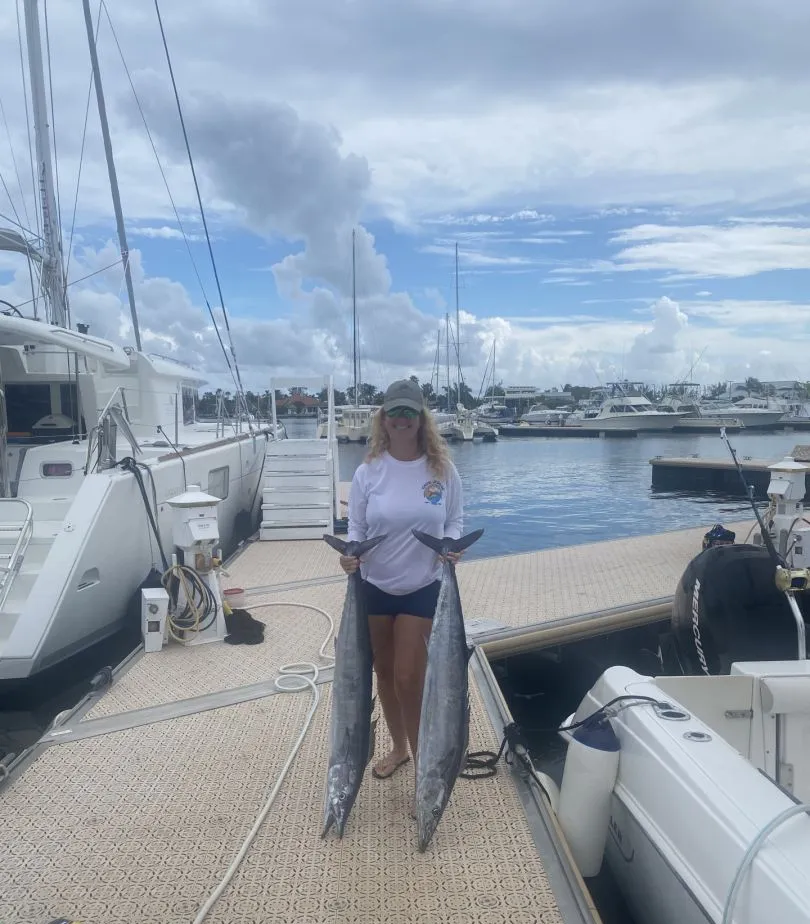
Nothing compares to the thrill of hooking a powerful wahoo in the clear blue waters surrounding Grand Cayman. Known for its incredible speed, sharp strikes, and exciting fights, this prized game fish attracts anglers seeking an unforgettable offshore experience. Wahoo fishing in the Cayman Islands is especially rewarding because deep waters are located just minutes from shore, creating ideal conditions for targeting these fast-moving predators. Whether you are an experienced angler chasing trophy catches or trying offshore fishing for the first time, understanding the best seasons, productive fishing areas, effective techniques, and what to expect from a professional charter can help you make the most of your time on the water and increase your chances of landing an impressive wahoo.
Why Is Wahoo Fishing So Popular in the Cayman Islands?
Wahoo is one of the most sought-after game fish because of its incredible speed, powerful runs, and aggressive strikes that create an exciting challenge for anglers of all experience levels. In addition to the thrill of the catch, wahoo is prized for its firm, flavorful meat, making it a favorite among sport fishers. The Cayman Islands provide an ideal habitat for these fast-moving predators, with deep offshore waters beginning just minutes from the shoreline and strong ocean currents carrying schools of baitfish that naturally attract wahoo throughout much of the year.
These unique conditions allow anglers to reach productive fishing grounds quickly, maximizing time spent on the water instead of traveling long distances offshore. Professional captains understand how changing currents, water temperatures, and bait activity influence wahoo movement, helping improve fishing success during every trip. This combination of convenient access to deep water, experienced local knowledge, and outstanding offshore conditions has made deep-sea fishing in the Cayman Islands one of the most popular experiences for visitors looking to catch powerful pelagic species.
When Is the Best Time for Wahoo Fishing in the Cayman Islands?
While wahoo can be caught throughout the year, certain seasons and times of day consistently provide better fishing conditions. Ocean temperatures, baitfish movement, weather patterns, and water currents all influence where wahoo feed. Booking a Grand Cayman fishing charter during these favorable periods can significantly improve your chances of landing one of these fast-moving offshore predators.
Late Fall to Early Spring (Peak Season)
This period is widely considered the most productive time for targeting wahoo around Grand Cayman.
- Cooler water temperatures encourage increased wahoo activity offshore.
- Larger schools are commonly found near deep-water drop-offs and current lines.
Early Morning Hours
The first few hours after sunrise often produce the most consistent action.
- Lower boat traffic creates quieter fishing conditions.
- Wahoo are generally more active as they feed early in the day.
Calm Weather Days
Stable sea conditions help captains troll more effectively and cover productive offshore waters.
- Smooth waters allow better lure presentation and boat control.
- Anglers enjoy a safer and more comfortable fishing experience.
During Strong Current Changes
Changing ocean currents often bring baitfish together, attracting predatory species like wahoo.
- Feeding activity typically increases around current edges.
- Experienced captains adjust trolling routes to target these productive areas efficiently.
Where Can You Catch Wahoo Around Grand Cayman?
The waters around Grand Cayman feature deep offshore drop-offs, strong currents, and abundant baitfish that create excellent conditions for wahoo. A Grand Cayman fishing charter can quickly reach these productive fishing areas.
Offshore Drop-Offs
Grand Cayman is surrounded by steep underwater drop-offs where shallow reef systems quickly transition into deep ocean water. These dramatic depth changes attract baitfish and larger predators, making them one of the most reliable locations for targeting wahoo using trolling techniques throughout much of the year.
Current Lines
Current lines are natural feeding zones where moving water gathers baitfish and other marine life. Wahoo frequently patrol these areas looking for easy prey, making them productive fishing spots. Experienced captains carefully track current movements and adjust trolling routes to maximize opportunities for successful catches.
Reef Edges
The outer edges of coral reefs often serve as transition areas where wahoo move between deep offshore waters and feeding grounds. These locations provide ideal hunting opportunities, especially when baitfish are abundant. Proper lure placement along reef edges can significantly improve strike rates during offshore trips.
Deep Blue Offshore Waters
The open blue waters surrounding Grand Cayman provide the preferred habitat for wahoo throughout the year. These offshore areas offer the depth, water movement, and bait concentrations needed to support healthy wahoo populations. Professional captains continually monitor offshore conditions to locate active fish efficiently.
What Techniques Work Best for Catching Wahoo?
Catching wahoo consistently requires the right combination of trolling methods, lure selection, boat speed, and adapting to changing offshore conditions throughout the fishing trip.
- High-Speed Trolling: The most popular technique for wahoo fishing, using fast boat speeds and specialized lures that imitate fleeing baitfish to trigger aggressive strikes.
- Slow Trolling with Live Bait: Live bait creates a natural presentation and works well when wahoo are actively feeding or responding less aggressively to artificial lures.
- Artificial Lure Selection: Captains use a variety of lure colors, sizes, and styles to match baitfish and identify which presentation performs best on the day.
- Fishing at the Right Depth: Planers, weighted lines, and trolling equipment help keep lures within the water column where wahoo are actively hunting.
- Boat Speed Adjustments: Maintaining the correct trolling speed is essential because even small speed changes can influence lure action and attract more strikes.
- Reading Ocean Conditions: Experienced crews monitor currents, baitfish activity, water clarity, and surface conditions to adjust fishing locations and improve success rates during Grand Cayman deep-sea fishing charters.
What Gear Is Recommended for Wahoo Fishing?
Using the right equipment is essential when targeting wahoo because of their speed, strength, and sharp teeth. Most professional Cayman Islands fishing charters provide all the necessary equipment, allowing anglers to focus on the experience rather than bringing their own tackle.
- Heavy-Duty Rods: Strong offshore rods are designed to handle the pressure created by fast, hard-fighting wahoo without sacrificing control.
- High-Capacity Reels: Large conventional reels with smooth drag systems hold plenty of line for long, powerful runs after the strike.
- Wire Leaders: Wire leaders protect the fishing line from being cut by a wahoo's razor-sharp teeth during aggressive attacks.
- Strong Fishing Line: Heavy monofilament or braided lines provide the strength needed to battle large offshore fish under demanding conditions.
- Trolling Lures: Specialized trolling lures in different colors and sizes imitate baitfish and are selected based on water conditions and fish activity.
- Safety and Fishing Equipment: Reputable charters supply essentials such as life jackets, gaffs, fish handling tools, navigation equipment, and other safety gear for a comfortable day on the water.
What Can You Expect During a Wahoo Fishing Charter?
A typical Cayman Islands fishing charter experience begins with a safety briefing and an overview of the day's fishing plan before heading offshore. Since Grand Cayman has deep water close to the shoreline, the journey to productive fishing grounds is usually short, giving anglers more time to fish. Once the boat reaches the target area, the crew sets multiple trolling lines using carefully selected lures and adjusts their presentation based on water conditions, bait activity, and current movement.
Throughout the trip, the captain and crew monitor the fishing lines, make changes to trolling speed when needed, and guide anglers through every stage of the catch. Whether you are landing your first wahoo or have years of offshore fishing experience, professional crews provide the equipment, instruction, and assistance needed for an enjoyable outing. After a successful catch, the fish is carefully handled and stored before returning to the dock, making the experience both exciting and well organized.
How to Choose the Right Charter for Wahoo Fishing
Choosing the right charter improves your chances of catching wahoo while ensuring a safe, comfortable, and professionally guided offshore fishing experience from start to finish.
- Experience of the Captain: Look for captains with extensive knowledge of local waters, seasonal fish movements, and proven offshore fishing experience.
- Quality of the Boat: A well-maintained boat with modern navigation and safety equipment provides a smoother, safer, and more enjoyable offshore trip.
- Fishing Equipment Provided: Confirm that the charter supplies quality rods, reels, tackle, bait, and other essential fishing gear suitable for targeting wahoo.
- Local Knowledge: Experienced crews understand changing currents, productive fishing grounds, and daily conditions that help improve catch opportunities.
- Safety Standards: Choose a charter that follows proper safety procedures, carries required safety equipment, and prioritizes passenger well-being throughout the trip.
- Trip Inclusions: Before booking, check what is included, such as fishing licenses, refreshments, fish cleaning, and the trip duration, to avoid unexpected surprises.
Why Choose Heidi K Charters for Your Wahoo Fishing Adventure?
A successful offshore fishing trip depends on local expertise, dependable equipment, and a crew that understands the waters around Grand Cayman. Heidi K Charters combines years of local fishing knowledge with a commitment to delivering safe, enjoyable, and productive trips for anglers of every skill level. From selecting the best offshore locations to adjusting techniques based on changing ocean conditions, every trip is planned to maximize your opportunities for an exciting day on the water.
Whether you are hoping to catch your first wahoo or target a trophy fish, the experienced crew provides quality fishing gear, professional guidance, and personalized service throughout your adventure. Along with memorable offshore fishing experiences, guests can also enjoy other island activities, making it easy to create a well-rounded Grand Cayman vacation.
Conclusion
Wahoo fishing offers an exciting combination of speed, skill, and unforgettable offshore action, making it one of the top fishing experiences in Grand Cayman. With the right timing, experienced local captains, and quality equipment, anglers can enjoy an incredible day targeting one of the Caribbean's most prized game fish. If you're ready to experience the excitement firsthand, Heidi K Charters is here to help you create lasting memories on the water. Book your charter today and let our experienced crew take you to productive offshore fishing grounds, provide expert guidance throughout the trip, and deliver a safe, enjoyable adventure designed for anglers of all experience levels. Reserve your trip now and start planning your next unforgettable Cayman fishing experience.
FAQs
1. How long does it usually take to hook a wahoo during a charter?
There is no guaranteed timeframe because fishing conditions vary daily. Some trips produce early strikes, while others require patience as the crew searches productive offshore waters.
2. Can I keep the wahoo I catch after the trip?
Many charters allow guests to keep part or all of their legal catch, depending on local regulations and the charter's policies, so it is worth confirming beforehand.
3. Are children allowed on wahoo fishing charters?
Yes, many charters welcome families with children. Age recommendations and safety requirements vary, so it's best to discuss your group's needs before booking.
4. Is motion sickness common during offshore fishing trips?
Some anglers may experience motion sickness, especially in rougher seas. Taking preventative medication before departure can help make the trip more comfortable.
5. What should I wear for a wahoo fishing trip?
Lightweight clothing, non-slip shoes, polarized sunglasses, a hat, and reef-safe sunscreen provide comfort and protection throughout several hours spent under the Caribbean sun.
6. Do I need travel insurance for a fishing charter?
While not mandatory, travel insurance that covers outdoor activities and weather-related cancellations can provide added peace of mind when planning your vacation.
7. Can I bring my own fishing equipment?
Most charters provide professional-grade tackle, but many also allow anglers to bring personal equipment if it is suitable for offshore trolling and arranged in advance.
8. What happens if weather conditions become unsafe?
Captains closely monitor marine forecasts and prioritize passenger safety. Trips may be rescheduled or adjusted if offshore conditions are considered unsafe for fishing.
9. Are photographs taken during the fishing trip?
Many charter crews are happy to help take photos of your catch using your phone or camera, allowing you to preserve memories of your offshore adventure.
10. Can non-fishing guests join the charter?
Yes, many charters welcome family members or friends who simply want to enjoy the boat ride, scenic ocean views, and the excitement of watching the fishing action unfold.